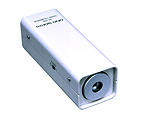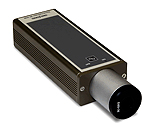




High Function Sound Level Meter
LA-3260/3560/3570
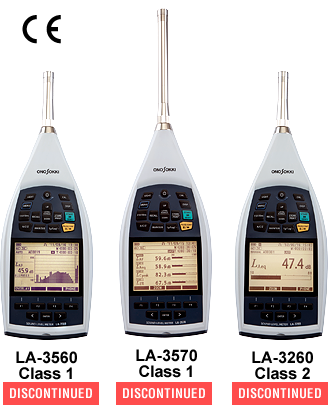
| LA-3570 Class 1 (high sensitivity type) | Suitable for measuring small sounds in a sound insulating box or similar environment etc. |
|---|---|
| LA-3560 Class 1 (wide band type) | Suitable for making measurements across the entire audible range |
| LA-3260 Class 2 | Suitable for measuring environmental noise up to 8 kHz |
| LA-3570 | LA-3560 | LA-3260 (Discontinued) | ||
|---|---|---|---|---|
| Applying standard | IEC 61672-1: 2002 Class 1 JIS C 1509-1: 2005 Class 1 |
IEC 61672-1: 2002 Class 2 JIS C 1509-1: 2005 Class 2 |
||
| Measurement range (IEC, JIS) | A:22 to 130 dB C:28 to 130 dB Z:36 to 130 dB |
A:27 to 140 dB C:32 to 140 dB Z:38 to 140 dB |
A:26 to 140 dB C:30 to 140 dB Z:36 to 140 dB |
|
| Intrinsic noise | A:14 dB or less C:20 dB or less Z:28 dB or less |
A:19 dB or less C:24 dB or less Z:30 dB or less |
A:20 dB or less C:24 dB or less Z:30 dB or less |
|
| Frequency range (IEC, JIS) | 10 Hz to 15 kHz | 10 Hz to 20.0 kHz | 10 Hz to 8.0 kHz | |
| Microphone | MI-1211 1/2-inch bias type |
MI-1235 1/2-inch electret type |
MI-1433 1/2-inch electret type |
|
Sensitivity level |
-20 dB ± 1.5 dB | -29 dB ± 3 dB | -29 dB ± 3 dB | |
| Microphone preamplifier | MI-3310 | MI-3230 | ||
| Linearity range | Wide range: 110 dB / Normal range: 80 dB | |||
| Level range | 7 ranges 20 to120 dB / 50 to 120 dB / 40 to 110 dB / 30 to 100 dB / 20 to 90 dB / 10 to 80 dB / 0 to 70 dB |
7 ranges 30 to 130 dB / 60 to 130 dB / 50 to 120 dB / 40 to 110 dB/ 30 to 100 dB / 20 to 90 dB / 10 to 80 dB |
||
| Reference range | 50 to 120 dB | |||
| Time weighting | F(fast) , S(slow), I(impluse), 10 ms | |||
| Frequency weighting | A,C and Z | |||
| Measurement items | Lp, Leq,
LE, Lpeak, Lmax, Lmin, LN ( L5, L10, L50, L90, L95, LLO,LHI, LAV and two more any LN data) |
|||
| Sampling interval | 15.6 μs (Lp, Leq, LE, Lmax, Lmin, Lpeak), 100 ms (LN) | |||
| Measurement (calculation) time | Manual (0 sec), user-specified setup: 0.1 to 199 hr. 59 min. 59.9 sec. Resolution:0.1sec |
|||
| Total time | 0 sec. to 199 hr. 59 min. 59.9 sec. resolution: 0.1sec | |||
| Interval time | 1 min to 24 hr. resolution: 1 min | |||
| Start mode | Manual start, timer start, count down start, level start, external control (shunts the external control terminal) | |||
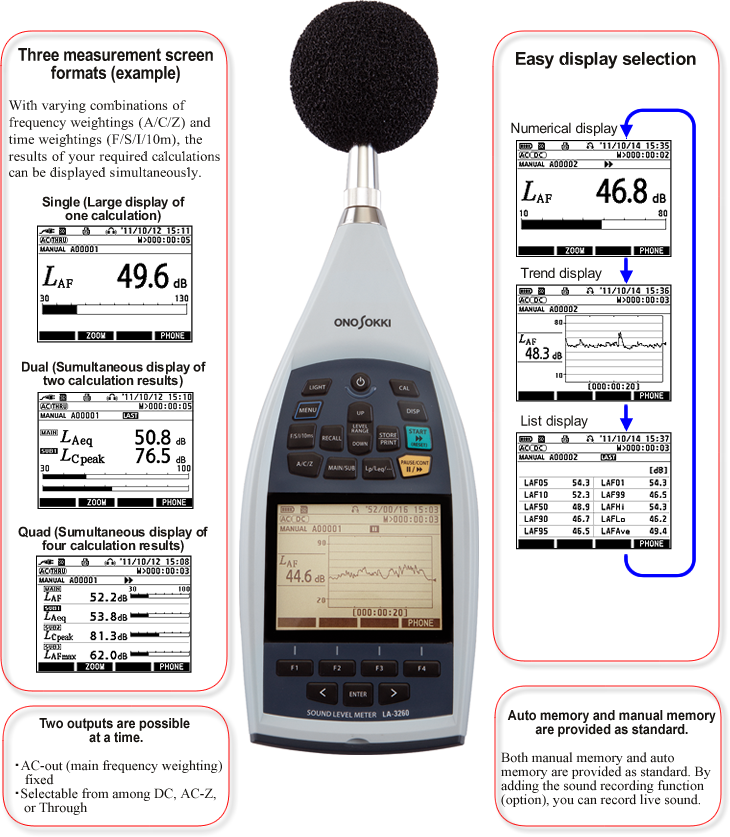
| Dual mode function | Provided as standard (simultaneous measurement of 2 kinds selected from 3 conditions of frequency weighting x 4 conditions of time weighting) | |||
| Quad mode function | Provided as standard (simultaneous measurement of 4 kinds selected from 3 conditions of frequency weighting x 4 conditions of time weighting) | |||
| Display device | 3.5” LCD with white backlight | |||
| Digital display | 4-digit / resolution 0.1 dB / updated every 1s | |||
| Bar indicator | Wide range: 100 dB of display range / Normal range: 70 dB of display range | |||
| Remaining battery level display | 4-step display | |||
| Memory function | Stored in an SD/SDHC card (SDHC card: up to 32 GB is available) | |||
| Mode | MANUAL, AUTO (instantaneous value, calculated value), RECORD (WAVE file, 64 kHz sampling…required for the LA-0354), LOGG10, LOGG100 | |||
| Panel condition memory | Panel Condition (SD/SDHC), power off memory | |||
| Basic measurent mode | 5 modes (EZ1:LAeq + LCpeak / EZ2: Record / EZ3: Logging 100 ms / EZ4: NC / EZ5: Loudness (under construction) |
|||
| Clock function | Built-in (Year / month / day / hour / minute) retention time of content: approx.5 years (charging time: 24 hours from entirely discharge state) |
|||
| Backup function | Stores measurement conditions into the built-in memory | |||
| Calibration signal | Electronic calibration by the built-in transmitter (1 kHz sine wave) Wide-range: -16 dB of full-scale / Normal range: -6 dB of full-scale |
|||
| Recommended calibrator | SC-2500,SC-3120 | SC-2500,SC-3120,SC-2110A | ||
| Phone
output (headphone output) |
Actual sound or recorded sound (playback sound) *Selected 1 band of actual sound or recorded sound (playback sound) by 1/1 or 1/3 filter mode when the option (LA-0351/0352) is installed. Maximum output: 10mW (63Ω :at 1kHz) connector:stereo3.5Φ |
|||
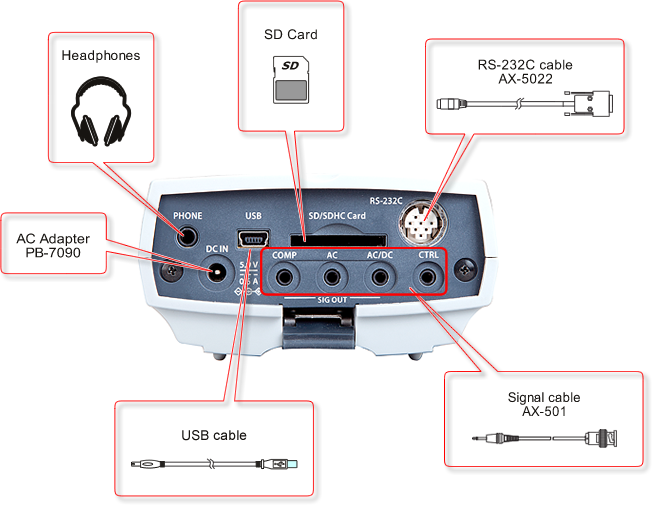
| AC Output | Outputs one of A, C, or Z interlocked with the main display, update interval: 15.6 μs |
|||
| AC Output level | Output level: 0.707 Vrms ±5% (normal range), 2.234 Vrms ±5% (wide range) Output impedance 50 Ω±2%, load resistance 10 kΩ or more, offset voltage ±10mV or less |
|||
| AC / DC output | Selectable from DC, AC-Z or Through | |||
| DC output level | 2.5V ±20 mV (normal range), 2.5 V±10 mV (wide range), Scale factor 0.25 V ±10 mV/10dB | |||
AC-Z output level |
Output level: 0.707 Vrms ±5% (normal range), 2.234 Vrms ±5% (wide range) Output impedance 50 Ω±2%, load resistance 10 kΩ or more, offset voltage ±10mV or less |
|||
Through output level |
0.707 Vrms ±5% (normal range, wide range) Output impedance 50 Ω±2%, load resistance 10 kΩ or more, offset voltage ±10mV or less |
|||
| Comparator output | Outputs the status in open collector signal after comparing the setup value with the calculated value.(required for the LA-0355) | |||
| External control input | Operation: Reset and start Control voltage: non-voltage contact input Input pulse width: 200 ms or more Absolute max. input voltage: 24.0V |
|||
| Interlocking on/off function with an external power supply |
The main unit is activated automatically when the power is supplied from an AC adapter. (required for the LA-0357) *When this function is installed, the LA-3000 series does not operate on battery power. |
|||
| Interface | RS-232C | Baud rate: 9600, 115200 bps, AX-5022 cable (sold separately) | ||
| USB | Compliant with USB storage class specification ver.1.1, |
|||
| External memory | SD/SDHC memory card (SDHC card: up to 32 GB is available) | |||
| Microphone extension*1 | 103 m (CE marking compliant: up to 30 m) | |||
| Power supply | Type AA battery (alkaline battery cell or rechargeable battery cell) x 4 pieces or AC adapter (PB-7090 power consumption: approx. 7 VA when at 100VAC ) | |||
| Battery life (continuous use)*2 | LR6 alkaline battery cell: approx. 8 hours Ni-MH secondary battery: approx. 8 hours |
|||
| Operating (storage) temperaature range |
-10 to 50 °C (20 to 60 °C) | |||
| Operating (storage) humidity range |
22 to 90 % RH (10 to 90 %RH) with no condensation | |||
| Outer dimensions | Approx. 379 (H) x 106 (W) x 49.3 (D) mm |
Approx. 311 (H) x 106 (W) x 49.3 (D) mm | ||
| Weight | Approx. 680 g (including batteries) | Approx. 630 g (including batteries) | ||
| Accessories | AC adapter (PB-7090), signal cable (AX-501), windscreen (Φ70 mm), hand strap, alkaline type AA battery x 4 pieces, carrying case (including shoulder belt), SD memory card (1 GB), instruction manual | |||
LA-0351 1/1 Real-time Octave Analysis Function (Filter 1/1, RTA 1/1 mode) |
|||||||||||||||
|---|---|---|---|---|---|---|---|---|---|---|---|---|---|---|---|
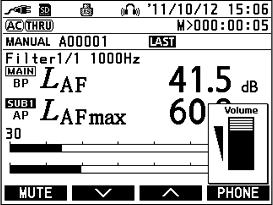
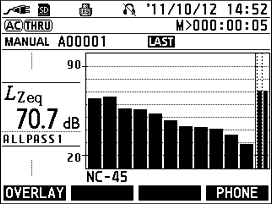
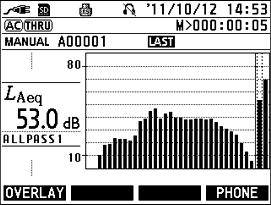
| Overview | ● Filter 1/1, Filter 1/3 mode <The use of headphones helps to perform sound source probing of a specific sound, such as an unusual noise.>
● RTA 1/1, RTA 1/3 mode
|
|
|||||||||||||
Specification |
|
||||||||||||||
LA-0353 FFT Analysis Function |
|||||||||||||||||||||||||
|---|---|---|---|---|---|---|---|---|---|---|---|---|---|---|---|---|---|---|---|---|---|---|---|---|---|
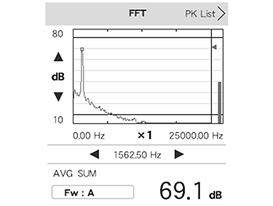
| Overview | <Suitable for analyzing
impulse sound>
Adding the FFT analysis function makes it possible to perform narrow-band analysis, not only with the magnitude of sound but also with its pitch (frequency). |
 |
|||||||||||||||||||||||
Specification |
|
||||||||||||||||||||||||
LA-0354 Sound Recording Function |
|||||||||||||||||||||||||||||
|---|---|---|---|---|---|---|---|---|---|---|---|---|---|---|---|---|---|---|---|---|---|---|---|---|---|---|---|---|---|
| Overview | <This function can make on-site recording to an SDHC card, and also enables to check those recordings on the sound level meter.>
It becomes possible to record any unusual sounds that you may hear on site into an SD/SDHC card in WAVE format. And since you can play back those recordings on the sound level meter, you can check that recordings have been made without fail on site. |
||||||||||||||||||||||||||||
Specification |
|
||||||||||||||||||||||||||||
LA-0355 Comparator Function |
|||||||||
|---|---|---|---|---|---|---|---|---|---|
| Overview | <Possible to make OK/NG judgment on products>
To allow creation of a system with other equipment on a production line, you can make settings for hold time and delay time of output signal. |
||||||||
Specification |
|
||||||||
LA-0356 Data Logging Function |
|||||||
|---|---|---|---|---|---|---|---|
| Overview | <Enables to store instantaneous values in CSV format at short time intervals.>
Instantaneous values can be stored into an SD/SDHC card in CSV format. |
||||||
Specification |
|
||||||
LA-0357 Interlocking on/off function with an external power supply |
|
|---|---|
| Overview | <Interlocking on/off function with an external power supply>
A power supply on/off of the sound level meter is interlocked with a main power supply of production lines. Combined use with the comparator function is useful to build devices for OK/NG judgment in production lines. |
Specification |
When power is supplied from an AC adapter, a main unit of the sound level meter starts up automatically. When a power is shut off, a main unit of the sound level meter turns off. A power switch on the main unit remains operative. *When this function is installed, the sound level meter does not operate on battery power. |
LA-0358 Loudness Calculation Function |
||
|---|---|---|
| Overview | <Evaluations based on sound characteristics and auditory sense>
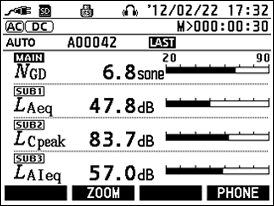
As for noise level evaluations, there are cases when measurement results are not in tune with the auditory sense of the human ear. In such cases, evaluation using loudness values, which is one of the indexes of sound quality evaluation, becomes a highly effective tool. Loudness calculation is an index used for evaluating the sound quantity of human perception in accordance with DIN 45631*. (The LA-0358 loudness calculation function is designed to work on stationary sounds. The OS-2000 series is useful for the Loudness calculation of the non-stationary loudness.) Applicable model: LA-3560, LA-3570 Lower measurement range: LA-3560 (46dB or less, Lzeq) |
 |
SC-3120 Sound calibrator (Class 2)/ SC-2500 Sound calibrator (Class 1)/ SC-2120A Sound calibrator (Class 2) |
|
|---|---|
| Outline | The SC-3120, SC-2500 and SC-2120A are sound calibrators which are indispensable for sound measurement, conforming to JIS C1515:2004 and IEC 60942:2003. |
AG-3400 series Extension cable for microphone (compliant to CE marking) |
|||
|---|---|---|---|
| Overview | Extension cable between a microphone section and a main unit of the sound level meter.
| ||
AX-501 Output cable |
|
|---|---|
| Overview | A cable for AC/DC signal output, comparator output, and external control signal input. Used for connection to an FFT analyzer, a data recorder, a PC or a PLC. (2 m) |
AX-5022 RS-232C cable |
|
|---|---|
| Outline | IF cable for connecting the LA-1441/4441 and PC (RC-232 connector). (2m) |
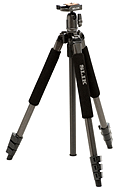
LA-0203D Tripod for the sound level meter |
|||
|---|---|---|---|
| Overview |
|
||
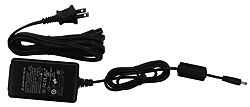
PB-7090 AC Adapter |
|||
|---|---|---|---|
| Overview |
|
||
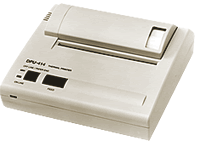
DPU-414 RS-232C Thermal printer |
|||
|---|---|---|---|
| Overview |
|
||
| Overview | ●Waveform Analysis
|
|---|---|
| Overview | ●FFT, 1/N octave analysis software ●As a signal source to the DS-3000 |
|---|---|
Measurement Example of the LA-3000 series
Measuring small sound generated from a motor by using the LA-3000 series sound level meter |
||||||||||
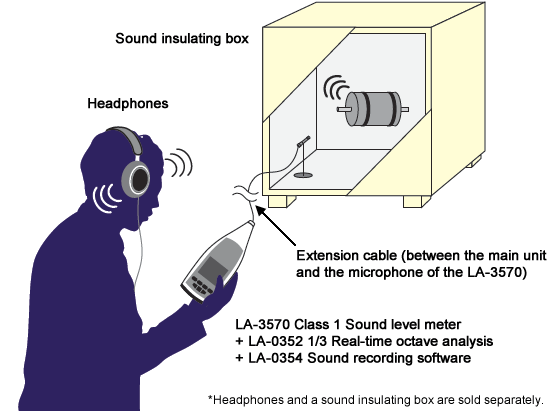
This application shows how to measure small sound generated from parts such as a motor or a pump. For the measurement, the high sensitivity sound level meter and an anechoic chamber or a sound insulating room are required. The LA-3570 is the sound level meter with high sensitivity which can measure a small sound of a minimum of 22 dB. By using an extension cable between microphone and the main unit of the sound level meter, you can check the sound level on the monitor out of the sound insulating box etc. Also the sound can be heard via headphones during the measurement. This application using the LA-3570 enables simultaneous checking of sound by both visual and hearing simultaneously. Furthermore, adding optional functions allows more effective analysis. The LA-0352 real-time octave analysis function greatly helps to analyze the sound in details by measuring and hearing the only focused range. The LA-0354 sound recording function can record and replay the sound on the sound level meter. Even at the measurement site, you can make sure easily whether the sound is really recorded. The LA-3570 helps to find solutions to problems of products caused by sound and vibration such as finding the cause of abnormal sound, reducing noise, checking wearing parts.
|
||||||||||
Revised:2017/5/15